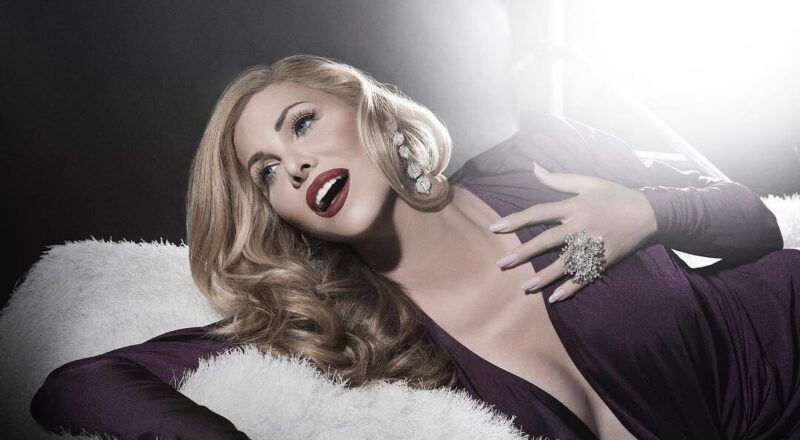
Candis Cayne – From NYC Showgirl to Hollywood Trailblazer

Candis Cayne is one of those performers whose presence changes the temperature of a room. Long before millions discovered her as the icy, mesmerizing Fairy Queen in The Magicians, she was already a star of New York City nightlife.
How Her Career Started
Cayne grew up in Maui, where dance was the center of gravity. The discipline stuck. By the time she moved to New York in the 1990s, she had both training and hunger.
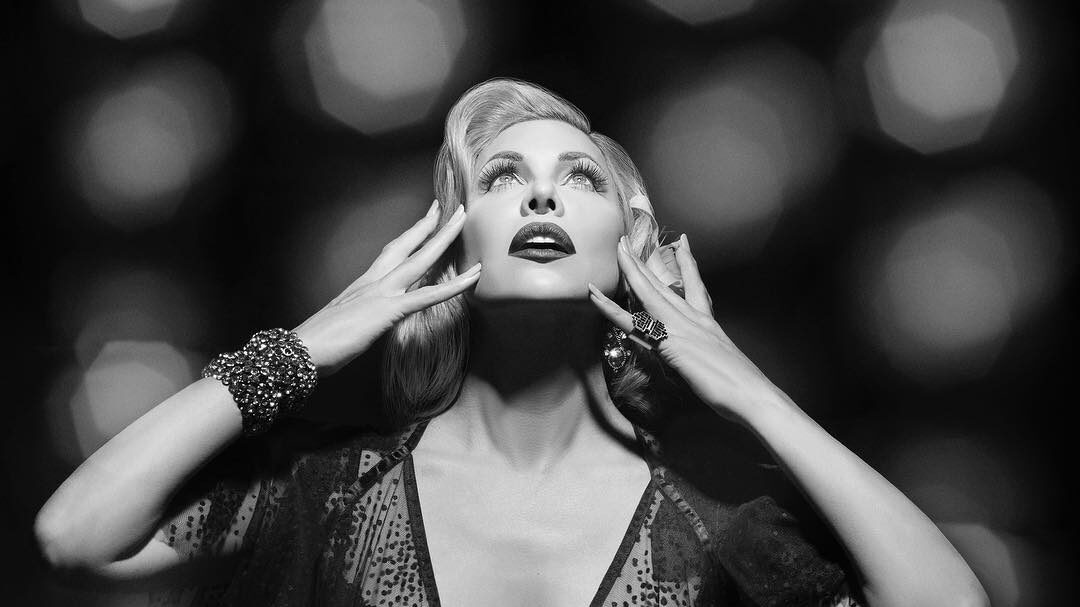
These were exactly what the downtown scene rewarded. Night after night, she refined a style that married choreographic sharpness with old-Hollywood glamour.
Coming out Trans
Wigstock and other club-kid institutions made space for that fusion, and Cayne quickly became a must-see name. She publicly came out as transgender in the mid-1990s, years before most TV writers had language for it, and folded that truth into the work without apology. The act was never “just” a drag number; it was also a lesson in presence, scale, and narrative control.
Beauty Pageants and More
Pageants and indie film roles kept widening the circle. She won Miss Continental in 2001—one of the most prestigious pageants in the drag and trans showgirl world—then took memorable turns in cult projects like Mob Queen and Starrbooty.
Music Videos
Music videos followed. In every lane, Cayne treated performance as both craft and megaphone: look stunning, hit your mark, and let the audience see a trans woman commanding a stage because she’s the best one for the job.
Primetime TV Doors Open
The leap from clubs to network television arrived with Dirty Sexy Money.
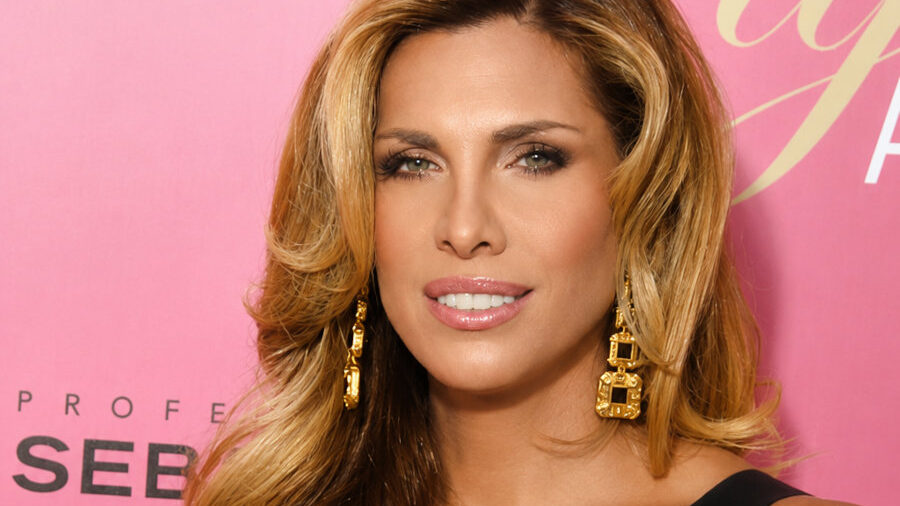
Dirty Sexy Money
As Carmelita, the lover of a powerful New York politician, Cayne did something U.S. prime time had not allowed before: she played a recurring trans character whose story intertwined with wealth, scandal, and desire, rather than serving only as a lesson or cautionary tale. The camera loved her—luminous, wry, grounded—and the writing gave her room to be more than a headline.
Nip/Tuck
Other roles built on that momentum. On Nip/Tuck, she portrayed Alexis Stone, a trans character whose arc wove between self-image and surgery culture—very much of its time, and a reminder of how quickly the industry’s language evolves.
Elementary
Guest and recurring appearances on series such as Elementary let Cayne exercise a different register: still glamorous, still sharp, but framed as a trusted part of the story world. What connects these projects is not a single type. It’s Cayne’s insistence on agency.
She has been candid about walking away from scripts that reduce trans women to jokes or shock reveals, and equally candid about advocating on set when the depiction veers into caricature. The result, over years, is a filmography that feels like a conversation with the industry: yes to spectacle, no to stereotype.
Beyond “Issue” Roles: Genre & Reality
If Dirty Sexy Money broke a door, The Magicians proved Cayne could rule the kingdom on the other side.
Fairy Queen in The Magicians
Her Fairy Queen is operatic—serene, ruthless, and exquisitely styled—yet never a cartoon. Genre TV can flatten characters into archetypes; Cayne gave the role emotional weight and a clear political logic. She wasn’t there to “represent” trans people inside the story (the Fairy Queen is a supernatural monarch, not a human with a gender arc); she was there to dominate the frame.
That choice signaled something important: transgender performers don’t only belong in storylines about gender. They belong anywhere the material rewards a commanding talent.
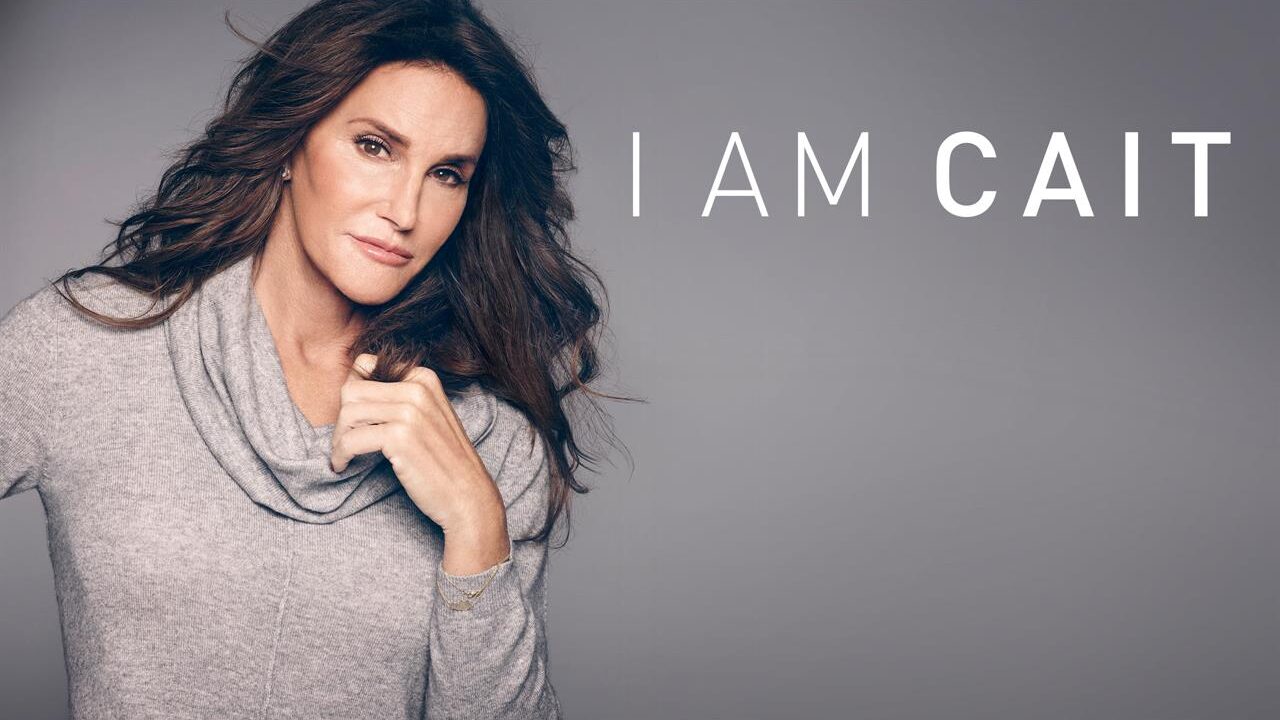
I Am Cait
Reality television offered a different platform. On I Am Cait, Cayne often functioned as a mentor, a friend, and a social translator. She modeled a version of trans adulthood on camera that included:
- road trips
- jokes
- makeup tips
- and hard conversations
The series was uneven, as most docu-series are, but Cayne’s appearances helped shift viewers’ expectations from “reveal” to relationship. The lesson was simple and powerful: trans life is life. Sometimes profound, sometimes not. Sometimes a cause, sometimes just dinner with friends and a laugh.
Rumored Relationship with Caitlyn Jenner
Any honest profile of Cayne should address the years of chatter around Caitlyn Jenner. The two became close while filming I Am Cait in 2015. Their on-screen chemistry plus joint appearances at high-profile events triggered immediate dating rumors.
In one widely shared moment during the show’s second season, castmate Ella Giselle dared them to kiss; they obliged with a playful peck, which only amplified the speculation.
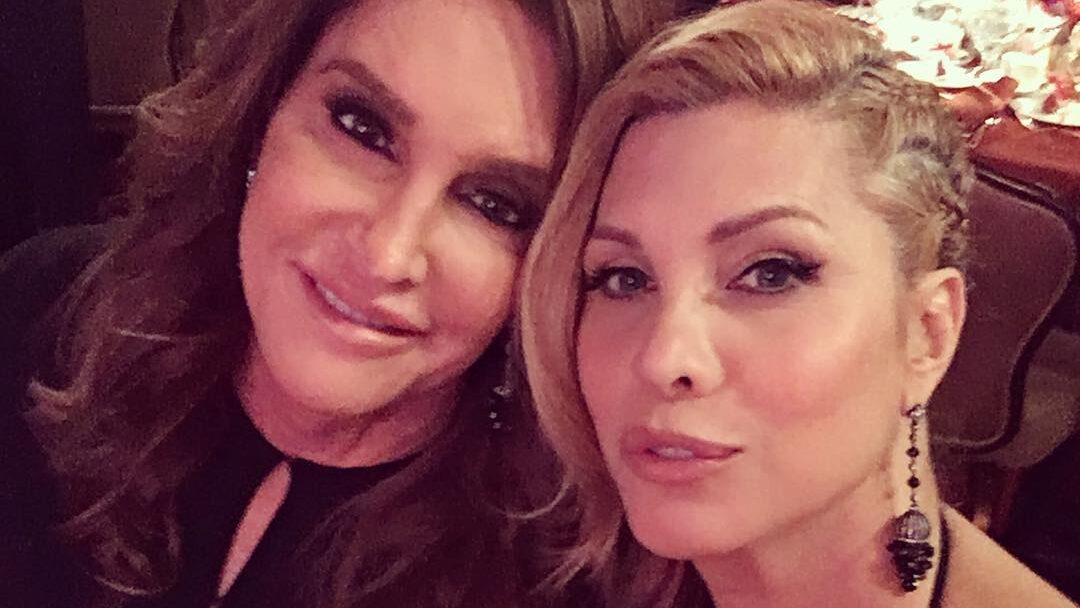
Cayne addressed it plainly at the time: they were not dating. She described Jenner as a great friend and pushed back on the way media sometimes converts warmth into headlines. Especially when a trans woman is involved and tabloids smell a “first.”
As the years rolled on, ideological differences became more visible. Jenner’s conservative politics, particularly on LGBTQ+ issues, created distance between her and several friends from the series. Cayne, for her part, has focused her public energy on advocacy that centers trans safety and dignity.
Advocacy, Boundaries, Now
Cayne’s advocacy style is pragmatic and very show-biz: use the mic you have to widen the next person’s runway.
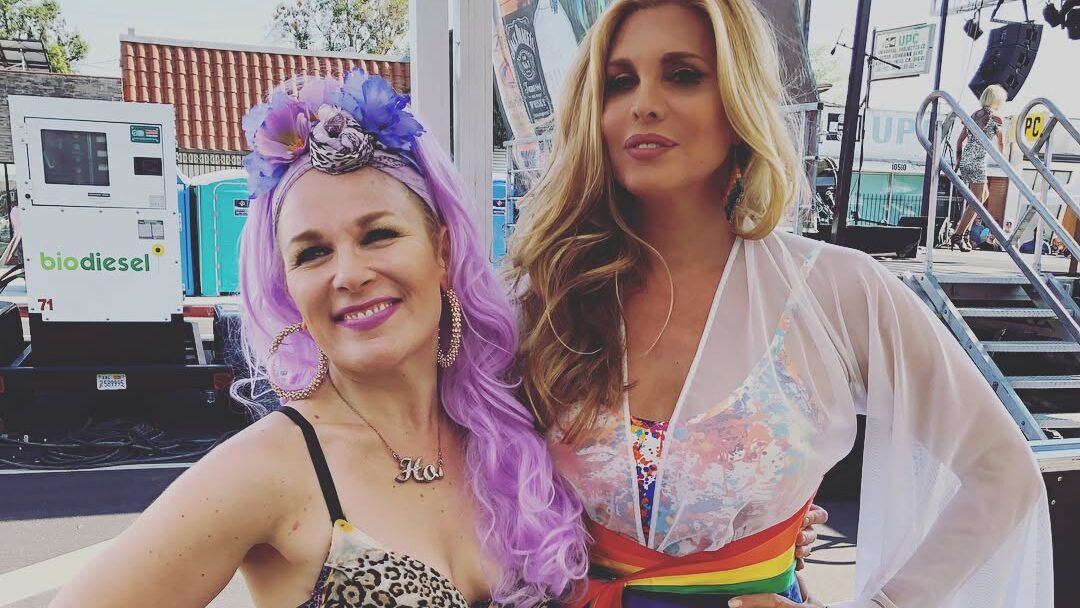
Sometimes that looks like correcting a script or a director on set when a scene leans into bad assumptions about trans women
Walking Out of a Table Where They Make Fun of Trans People
Sometimes it looks like refusing a role altogether—walking out when the “joke” requires a trans woman to humiliate herself for a laugh. And sometimes it’s public storytelling: interviews about pushing back on inaccurate portrayals, or candid reflections on what it took to move from the margins of the nightclub to the middle of the frame.
Her Book of Tips on Beauty and Life: Glamour
She also has a lighter gear—satirical bits and beauty-book advice that smuggle in values: self-love, boundary-setting, and the idea that glamour can be pedagogy. Glamour, in Cayne’s hands, isn’t submission to a standard; it’s a tool for rewriting who is allowed to be looked at, desired, and believed.
That philosophy links her pageant crown to her network close-ups and her fantasy-queen stare-downs. It also links her mentorship of younger performers to the way she curates her own roles. The through-line is ownership: of body, of narrative, of career.
Walk the Talk
Today, Cayne moves between medium-size screen projects, stage appearances, and behind-the-scenes development. She remains a reliable guest star when a series wants charisma plus gravity, and a singular presence when a production needs a figure who reads as royal the second she enters the frame.
Fans looking for the next fix should keep an eye on genre shows (where her presence sings) and on projects that want a judge, mentor, or host with both warmth and bite. Whatever the format, her choices tend to reward audiences who crave craft along with representation.
Why Candis Cayne’s Career Matters
Three quick truths, distilled from decades of work:
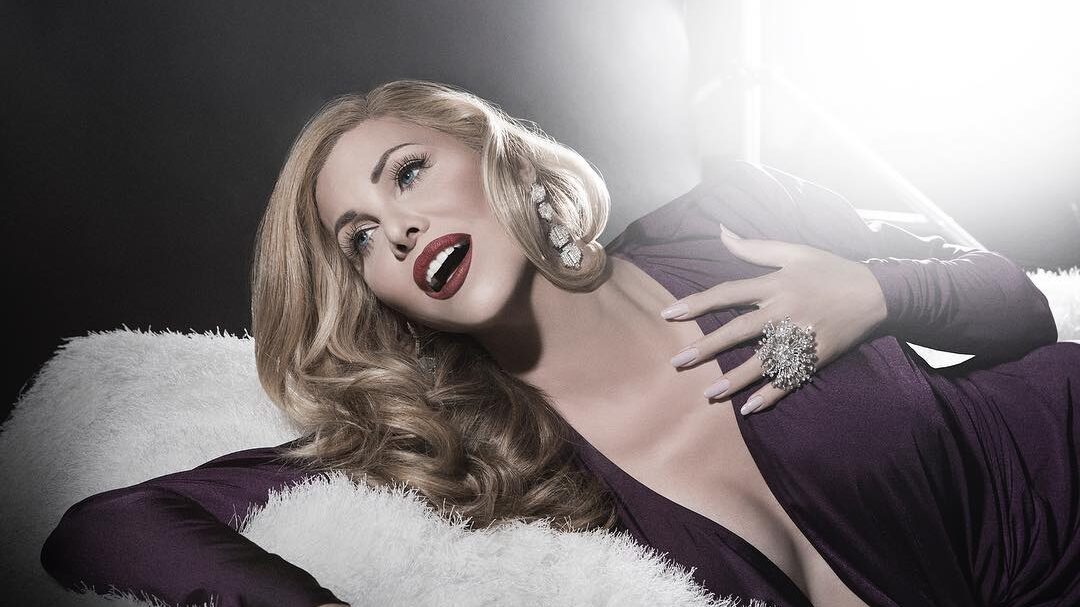
Visibility with craft
Representation opens doors, but excellence keeps them open. Cayne’s performances were not just “firsts”; they were also good—technically sharp, emotionally specific, and unforgettable to watch.
Glamour as pedagogy
Clothes, hair, lighting, and posture aren’t superficial; they are tools for teaching audiences what power can look like on a different kind of body. In Cayne’s world, the rhinestone is a thesis.
No is a strategy
Every demeaning audition she refused and every lazy script she challenged helped shift the baseline for what trans roles could be. That has ripple effects you can measure in newer shows, fuller characters, and younger actors who don’t have to fight the same fights.
Follow Candis Cayne
Stay connected Candis Cayne and support her journey by following her on social media and professional platforms:
- Website: Candis Cayne’s Official Website
- Facebook: @candiscayne
- Instagram: @candiscayne
- Threads: @candiscayne
- X: @candiscayne
- TikTok: @candiscayne
If this story moved you, please share it. Someone in your world might need the reminder that trans history isn’t just made by policy or protest. It’s also made by performers who knew their worth and didn’t leave when the spotlight finally found them.